There’s something about your first trip to the hardware store after buying a home that feels powerful. You wander through aisles of shiny tools, convinced you’ll need every last one. But fast-forward three months later, and most of them are sitting in a drawer, untouched — except for the tape measure you’ve used five times to make sure the sofa will fit.
When I bought my first home, I thought a “toolkit” meant owning a hammer and a can of WD-40. I learned the hard way that it actually means being ready for all the weird little things a house will throw at you. But don’t worry — you don’t need a full workshop or a contractor’s salary to start. You just need the right few tools that make you feel capable, not cluttered.

Start with the Basics You’ll Actually Use
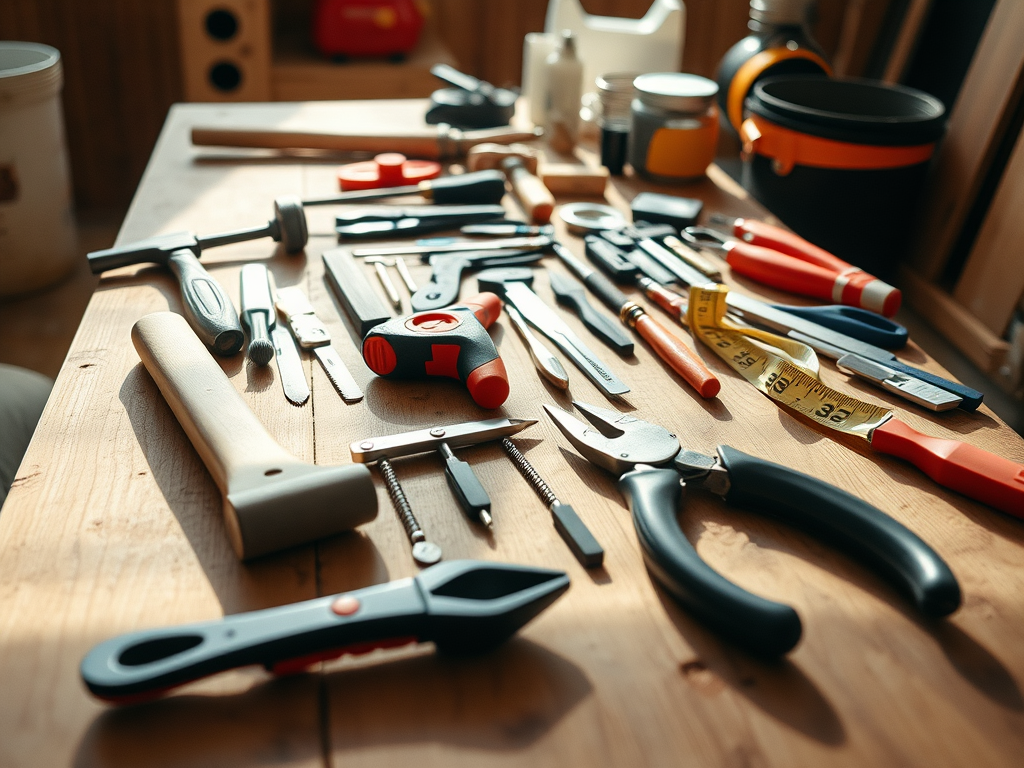
Let’s start with the tools that earn their keep — the ones you’ll reach for again and again. Every homeowner needs a cordless drill, a hammer, and a screwdriver set. These are your “anything that breaks” tools — curtain rods, loose cabinet handles, shelf brackets, you name it.
You’ll also want a tape measure (trust me, you’ll use it weekly) and a level, so things you hang actually stay straight. A set of pliers and an adjustable wrench handle most plumbing or furniture jobs — they’re worth having even if you only use them twice a year.
Some of my favorites: cordless drill set, magnetic screwdriver kit, rubber mallet, 16’ tape measure, bubble level with ruler.
The first time I was proud of something I fixed was our ugly mailbox. I sanded, painted, and built a cute little border around the post with mulch and flowering alliums. It pulled me completely out of my comfort zone and taught me more than I expected — how to use a caulk gun, the magic of landscaping glue, and why clamps are the unsung heroes of DIY. That one small project gave me the confidence to take on bigger ones later — because I’d learned I could figure things out as I went.
The Quick-Fix Heroes
These are the items that quietly save your day and your sanity. Keep a stud finder on hand — you’ll be shocked how often you need it once you start hanging things. A caulk gun and tub of spackling paste handle every “oops” moment, from nail holes to sealing drafts.
A utility knife is another unsung hero. It’s perfect for opening boxes, trimming caulk, or cutting painter’s tape. Add a flashlight or headlamp — because things only ever leak at night.
If you are ready for the quick fix heroes to add to your toolkit, I recommend adding a stud finder, caulk gun + silicone sealant, spackling paste + putty knife set, utility knife multipack, LED headlamp.
One of my earliest homeowner wins came from mastering the basics — a tape measure, grid paper, and a small spring hammer. Those three tools have saved me countless times while planning spaces or tackling delicate fixes. I’ll sketch room layouts to scale, measure furniture before buying, and use that spring hammer when I need control in a tight or awkward spot. They may not be flashy, but they’ve made me feel capable in every project since.
Tools for Comfort and Safety
These aren’t exciting, but they make your home more livable (and safer). A voltage tester helps you avoid an accidental shock. A plunger and a drain snake prevent expensive plumbing calls. A step ladder makes changing lightbulbs, painting, and holiday decorating easier (and safer than balancing on a chair). Don’t forget a fire extinguisher and a set of smoke and CO detectors — the kind with long-life batteries so you’re not woken up by 2 a.m. beeping
The Nice-to-Haves (That Feel Luxe When You Need Them)
Once you’ve got the basics, you can slowly build up your “I’m a real adult now” kit. A paint touch-up set keeps walls looking fresh after moving furniture. A stud-mounted organizer or rolling tool tote keeps everything neat and in one place. If you like small projects, a painter’s multitool, laser level, and sanding block set are nice additions that make DIY easier (and make you feel like you know what you’re doing).


What You Don’t Need (Yet)
Here’s where I’ll save you money: you don’t need to buy every specialty tool you see online.
That pressure washer? Borrow one first. The fancy miter saw? Wait until you actually need to cut wood. The mega-drill set with fifty bits? Overkill.
Start small. Use what you buy. Add as you go.
It’s better to have ten solid tools you use confidently than a garage full of clutter.
A Homeowner’s Toolkit is Confidence in a Box
Owning your first home can feel intimidating, but the right tools make it less so.
You don’t have to know how to fix everything — just having the basics makes you capable, prepared, and proud when you solve a problem yourself.
Pro Tip: Keep your toolkit somewhere accessible (hall closet, laundry room, or garage shelf) and label it clearly. A toolkit you can’t find when you need it… isn’t a toolkit.
If you want to see exactly which items I use and recommend, download my free First Home Starter Kit — it’s packed with practical tools, product links, and easy home maintenance tasks that actually make a difference.
And if you’re in Central Virginia and thinking about buying your first home, I’d love to help you find one that feels like yours from day one.
Some of the links in this post are affiliate links, which means I may earn a small commission if you purchase through them — at no extra cost to you. I only share products I genuinely use, trust, or believe will make your home life easier and more beautiful.

Leave a Reply